
Ghana
Don Bosco Solar
– Ghana
Don Bosco Solar Institute has successfully delivered renewable energy projects across Ghana, demonstrating its expertise in Solar PV system design, installation, and sustainable energy solutions. Our flagship achievement is the Don Bosco Solar Mini-Grid and Green Hydrogen Project in Ashaiman, one of the most advanced renewable energy training and demonstration facilities in the region. The mini-grid integrates 579 solar modules with a total installed capacity of 227 kWp, 664.3 kWh of battery storage, a 20 kW electrolyzer, 10 kW fuel cells, and 1.2 MWh hydrogen storage, providing reliable clean energy while serving as a living laboratory for training, research, and innovation in renewable energy technologies.
Beyond the Don Bosco campus, our installation team has completed numerous Solar PV projects that have transformed schools, churches, industries, and communities across Ghana. These include a 49.7 kWp solar system for Pax Garments Textile Company in Sunyani, a 13.2 kWp installation at the Child Protection Centre (CPC) in Ashaiman, an 11.3 kWp system for the Tatale Training Centre, a solar-powered water pumping system for the Salesian Community in Tatale, and ten rural photovoltaic systems supplying clean electricity to Salesian outstations. Collectively, these projects have improved energy reliability, reduced electricity costs, supported vocational training and industrial productivity, enhanced access to clean water, and expanded sustainable energy access for thousands of people, reflecting Don Bosco Solar’s commitment to community development and Africa’s clean energy transition.
Project #1
Don Bosco Campus, Ashaiman
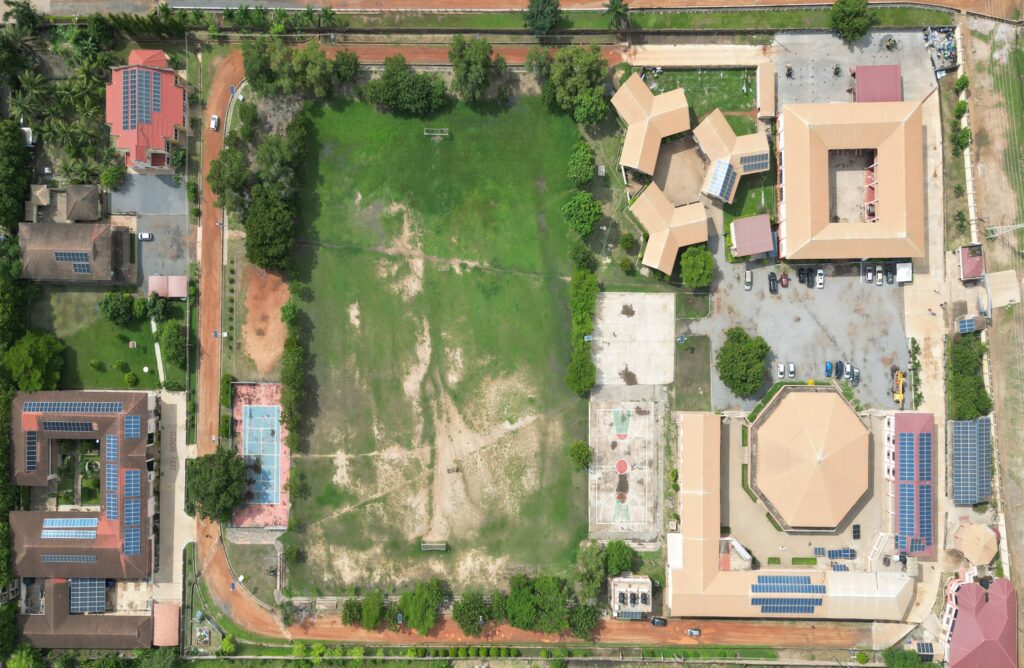
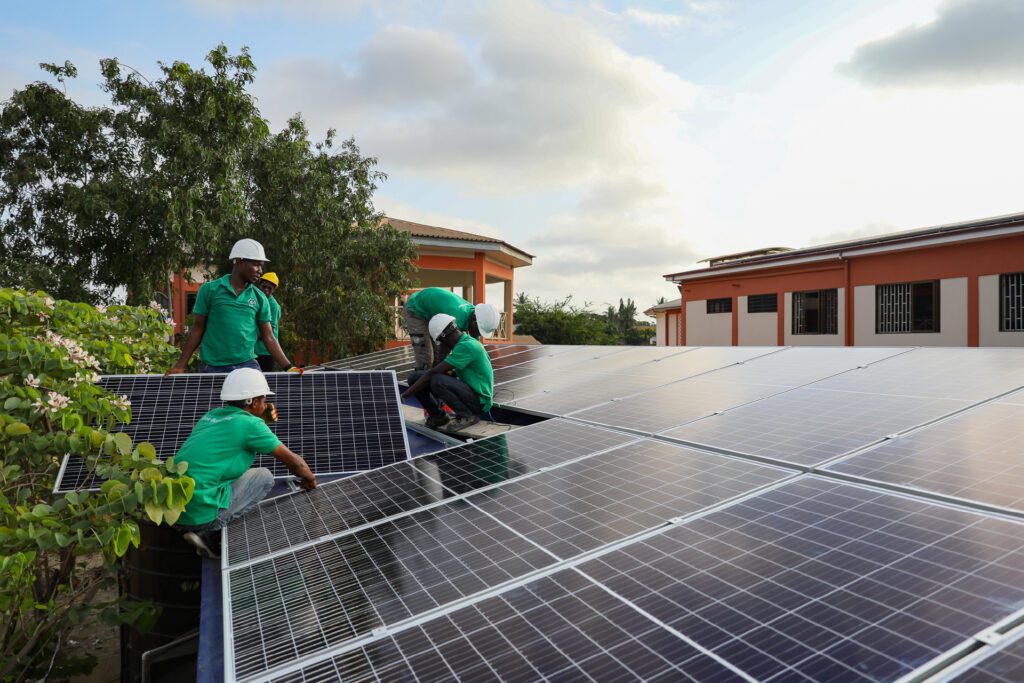
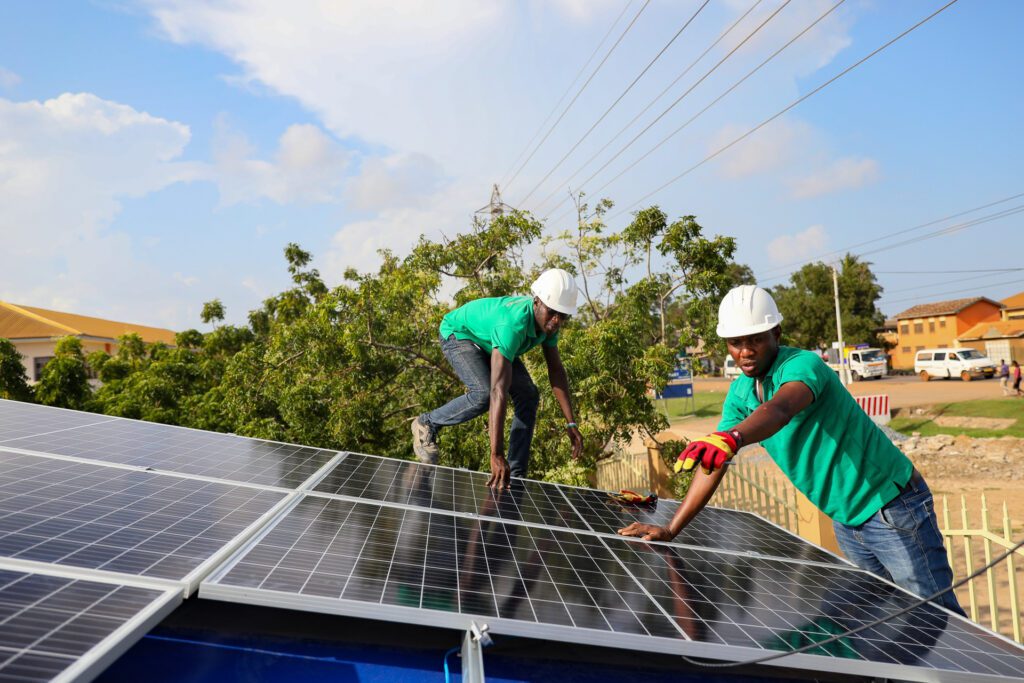
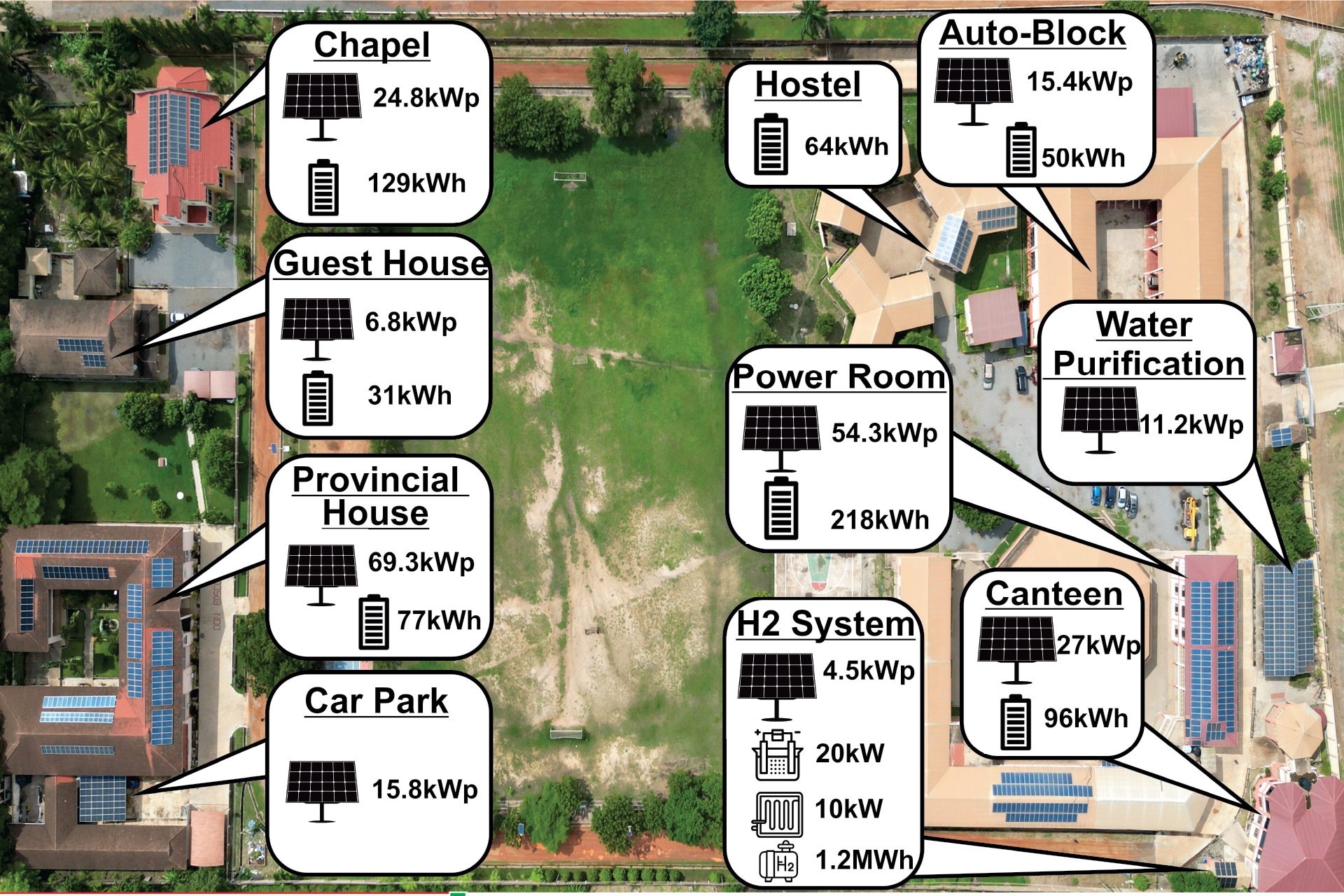
The Don Bosco Solar Mini-Grid is an innovative renewable energy system that powers multiple facilities across the Don Bosco campus while serving as a training, research, and demonstration platform. The system comprises ten independents photovoltaic (PV) installations strategically located at key sites, including the Provincial House, Guest House, Community Chapel, Hostel, Canteen, Car Park, Auto-Block, Water Purification. These installations are interconnected through a centralized distribution system, known as the Power Room, located at the Solar Training Centre.
This centralized design enables intelligent energy management, allowing electricity generated by each PV system to be efficiently distributed to where it is needed most. The integrated approach maximizes energy utilization, improves system reliability, and enhances the overall performance and resilience of the mini-grid.
The mini-grid consists of 579 solar modules with a total installed generation capacity of 227 kWp and a nominal battery storage capacity of 664.3 kWh. Each installation is equipped with battery storage that is appropriately sized to meet the energy demands of the respective building, ensuring a stable and reliable electricity supply during periods of low solar irradiation and at night. The Power Room, with an installed PV capacity of 54.3 kWp and 218 kWh of battery storage, serves as the central energy management system, coordinating power generation, storage, and distribution across the entire system.
To promote innovation and practical learning, the mini-grid incorporates PV modules, inverters, and battery technologies from different manufacturers. This diverse technology mix enables students, researchers, and industry professionals to evaluate the performance, efficiency, and reliability of various renewable energy systems under real operating conditions, providing valuable hands-on experience with a wide range of commercially available technologies.
Advanced battery energy storage systems capture excess solar energy generated during the day and supply electricity during the evening or periods of low solar irradiation. This ensures a stable, reliable, and uninterrupted power supply while maximizing the utilization of renewable energy generated on campus.
Designed with a modular architecture, the mini-grid is highly flexible, scalable, and resilient. Additional generation and storage capacity can be integrated as energy demand grows, while the distributed configuration enhances system reliability through built-in redundancy and simplified maintenance.
Beyond providing clean and sustainable electricity to the campus, the Don Bosco Solar Mini-Grid serves as a living laboratory for education, research, and innovation. It offers students, technicians, engineers, and industry partners valuable hands-on experience in the design, installation, operation, monitoring, and maintenance of modern renewable energy systems, preparing the next generation of professionals to drive the global clean energy transition.
Green Hydrogen Integration
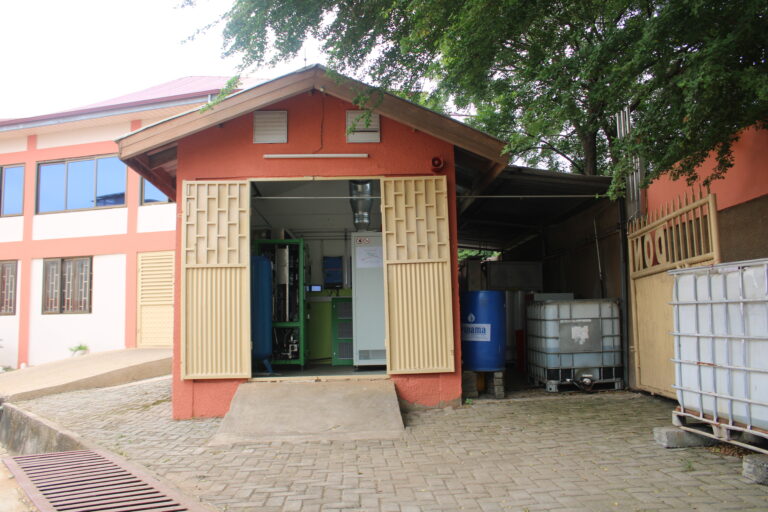
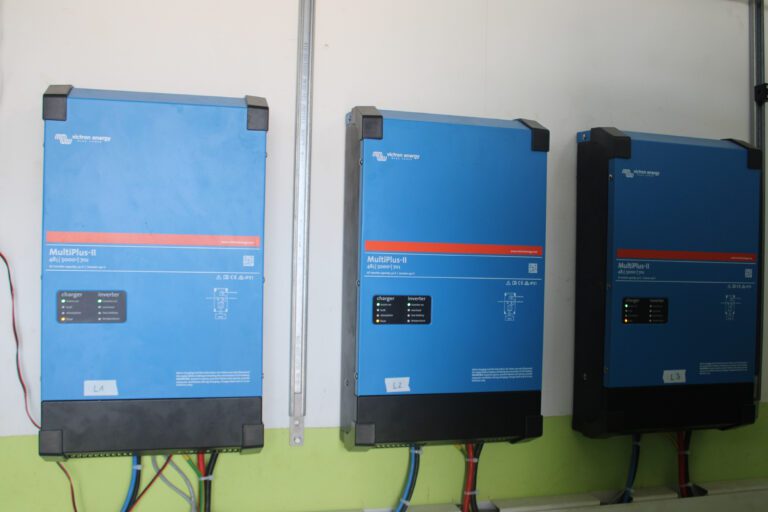
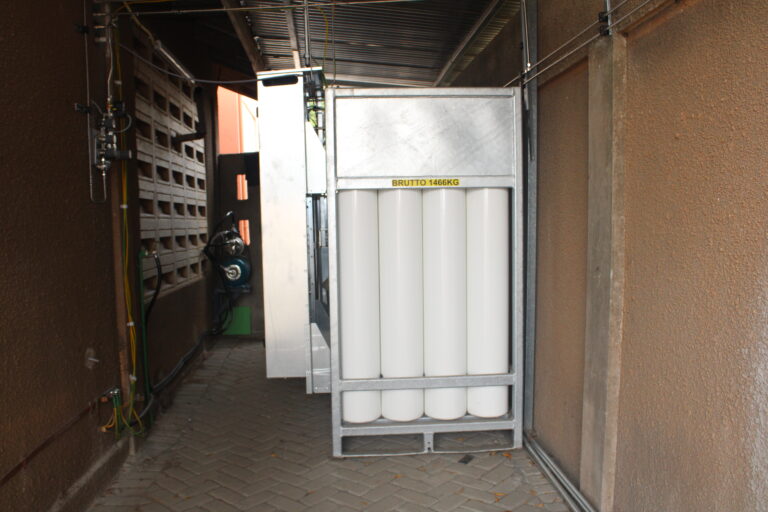
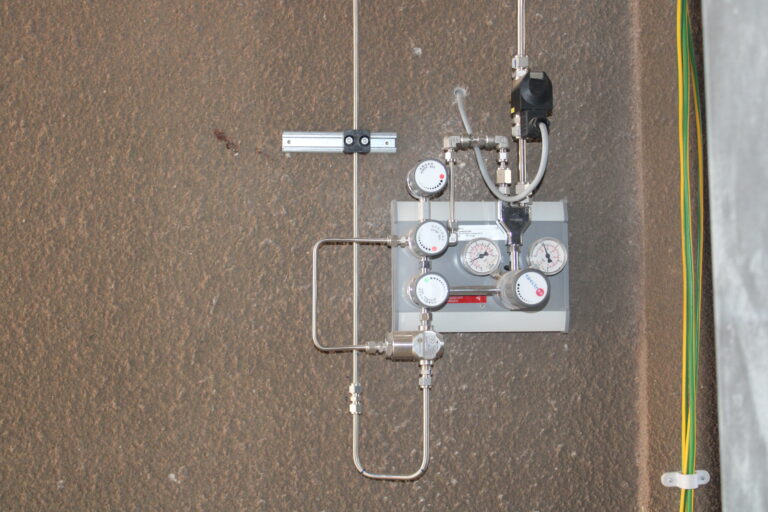
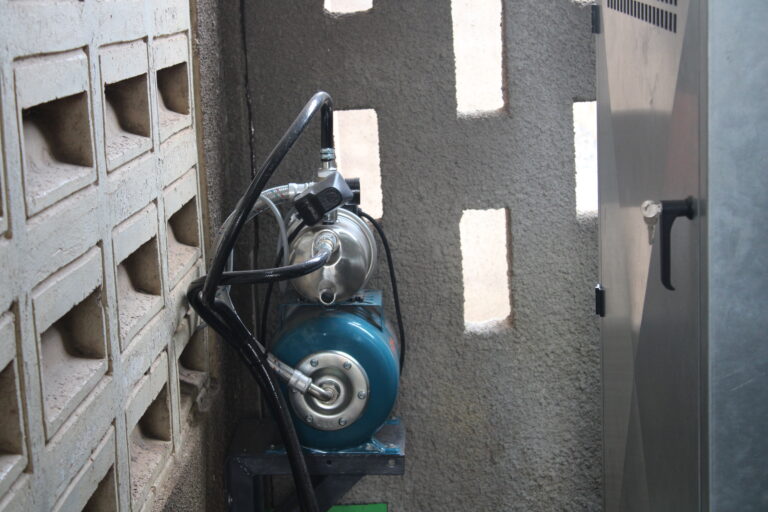
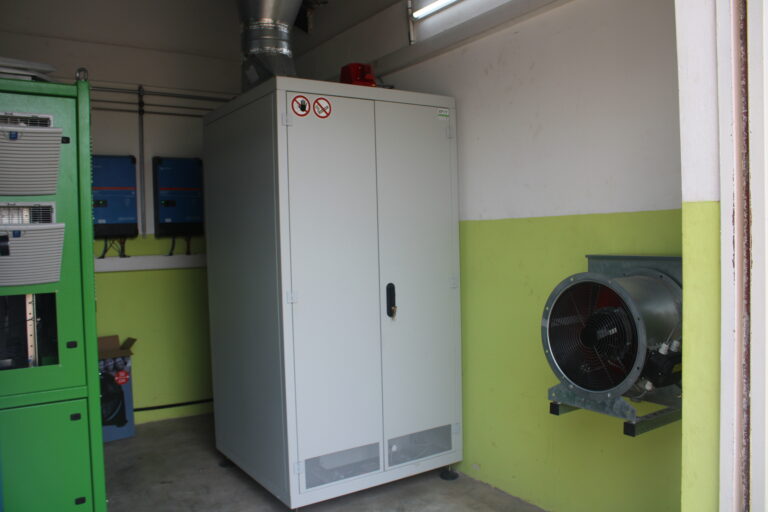
The Mini-Grid is its green hydrogen infrastructure, which includes, Electrolyzers (20 kW), These devices split water into hydrogen and oxygen using electricity generated by the solar PV systems. Fuel Cells (10kW). The fuel cells convert stored hydrogen back into electricity when needed, ensuring a continuous power supply even during extended periods of low sunlight or high demand. Hydrogen Storage (1.2MWh) Cylinder Capacity), Hydrogen is stored in high pressure cylinders, making it a reliable energy reserve. This integration of hydrogen technology enhances the system’s sustainability by minimizing reliance on conventional battery storage and leveraging a clean, renewable energy source.
Solar Installation at CPC Ashaiman
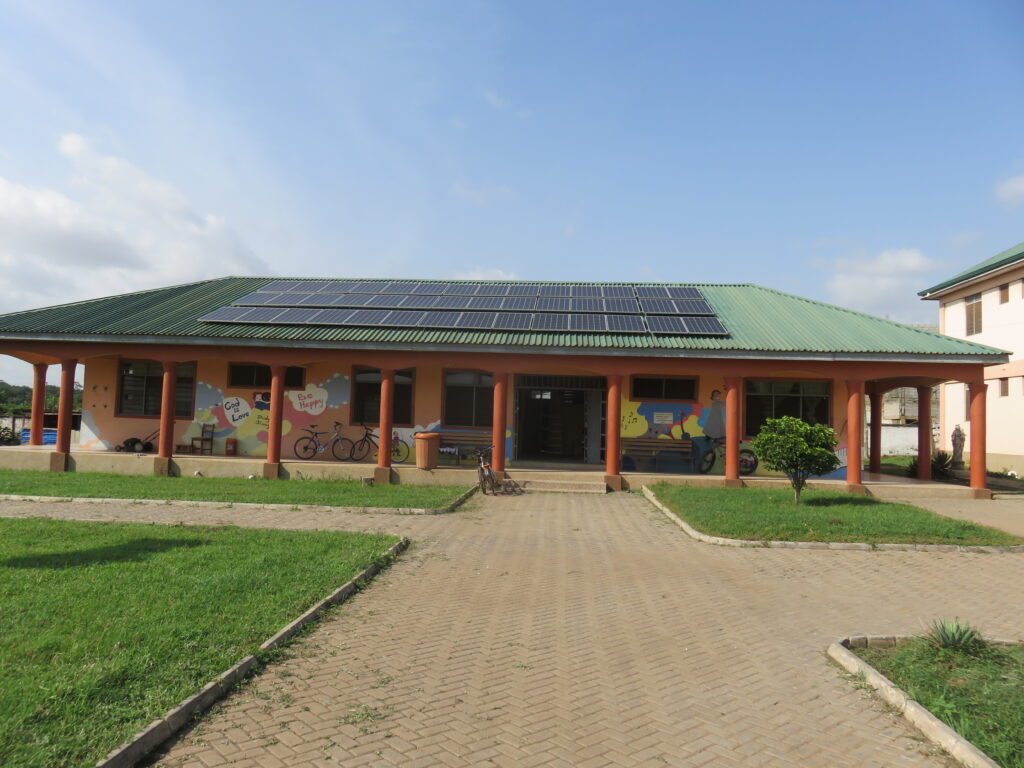
In November 2020, the Don Bosco installation team completed a 13.2 kWp solar system at the CPC (Child Protection Centre) in Ashaiman. This project highlights Don Bosco’s commitment to empowering institutions with renewable energy solutions to reduce costs, enhance energy reliability, and promote sustainability. The installation featured equipment and a meticulously designed system to meet the center’s energy demands efficiently and sustainably.
Project Overview
The Ashaiman CPC serves as a home for unprivileged children’s, training school, and a community for the Salesians priest and brothers. The need for a stable and cost-effective energy supply became apparent due to the center’s reliance on the national grid, which is often interrupted by outages and fluctuating energy costs. To address this, the Don Bosco team installed a customized 13.2 kWp solar system to ensure energy independence and sustainability.
Key Components
The system incorporates high-performance components to optimize energy generation, storage, and utilization. Solar PV Array (13.2 kWp), High-efficiency solar panels with a total capacity of 13.2 kWp were installed. The panels were mounted in optimal positions to capture maximum sunlight, ensuring reliable energy production throughout the day. Inverter (Victron Quattro 48V/10 kVA), The Victron Quattro inverter is the heart of the system, performing multiple functions including DC-to-AC conversion and battery charging. It features dual AC inputs, allowing for seamless switching between solar power, battery storage, and the national grid. MPPT Charge Controllers, Two Victron MPPT Smart Solar 250V/85A charge controllers and one Victron MPPT Smart Solar 250V/70A were installed to regulate the energy flow from the solar panels to the battery bank. These controllers maximize energy harvest by tracking the optimal power point of the PV modules. Battery Storage (BYD 48V/15.4 kWh). The BYD lithium-ion battery system, with a capacity of 15.4 kWh, provides energy storage to power the center during nighttime or cloudy periods. The advanced battery system ensures long cycles and high efficiency, reducing dependence on the national grid.
Solar Installation at Pax Garments Textile Company, Sunyani
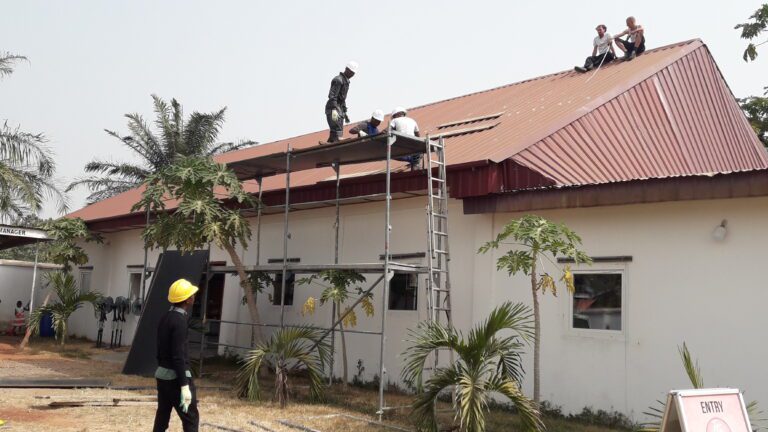
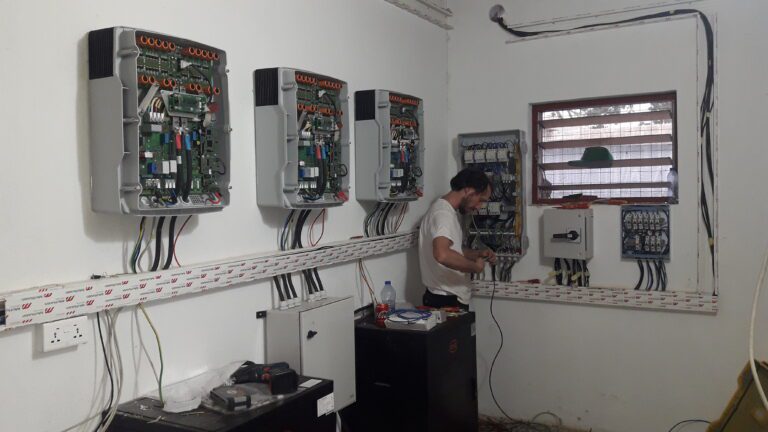
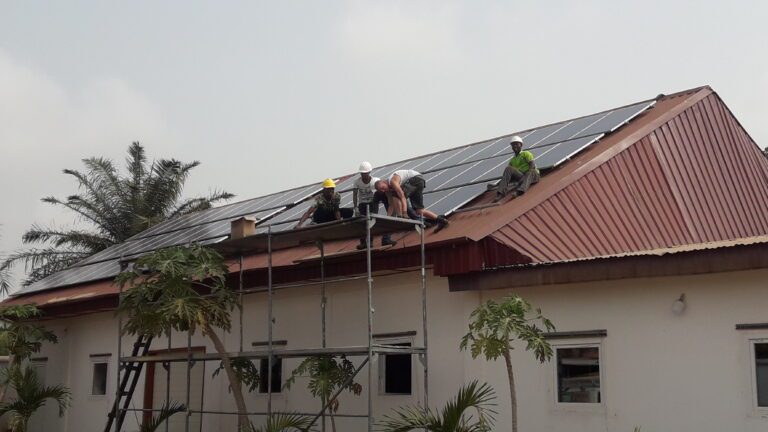
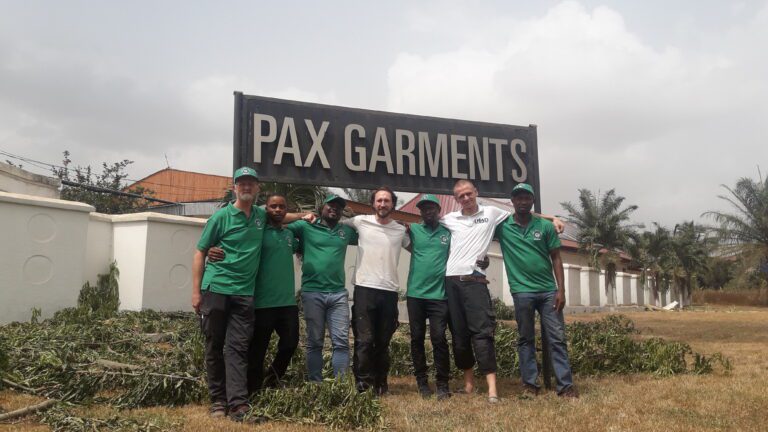
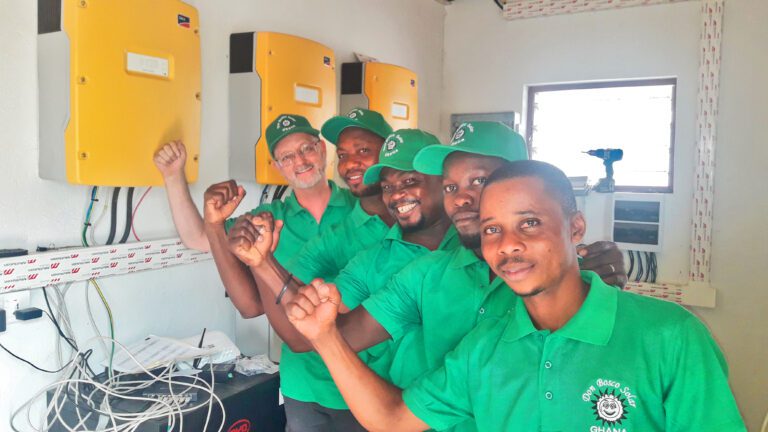
The Don Bosco installation team achieved another milestone with the successful implementation of a 49.7 kWp solar energy system at Pax Garments Textile Company in Sunyani, Ghana. This project underscores the team’s commitment to advancing renewable energy solutions while fostering sustainability in industrial operations. The installation, equipped with solar components, ensures a reliable and efficient power supply for the textile company’s energy-intensive processes.
Project Overview
Pax Garments Textile Company is located in Sunyani, requiring a stable and cost-effective energy source to support its production activities. The Don Bosco team designed and installed a tailored 49.7 kWp system, combining high-performance components to meet the textile company’s specific energy demands.
Key Components
The system integrates advanced equipment from globally recognized brands, ensuring superior performance and reliability. 3 x SMA Sunny Island This off-grid inverter acts as the central control unit, managing energy flows between the solar modules, battery storage, and the grid. It supports seamless transitions between solar and battery power, ensuring uninterrupted operations during peak production hours or grid outages. SMA Tripower Inverters (1 x 20 kW and 2 x 12 kW) The SMA Tripower inverters convert DC electricity generated by the solar panels into AC power suitable for the textile company’s machinery. These inverters are renowned for their high efficiency, robust design, and compatibility with various PV module technologies. BYD Battery Systems (2 x 13.8 kWh) Two BYD lithium-ion battery systems, with a combined capacity of 27.6 kWh, provide energy storage for the installation. These batteries ensure energy availability during periods of low sunlight and help reduce dependence on the national grid, resulting in significant cost savings. PV Modules (184 pcs x 270 Wp). High-efficiency solar panels are installed on the company’s rooftop to maximize solar energy generation. The panels are strategically positioned to capture optimal sunlight throughout the day, with a total capacity of 49.7 kWp.
Solar Installation at Sunyani Bishop House
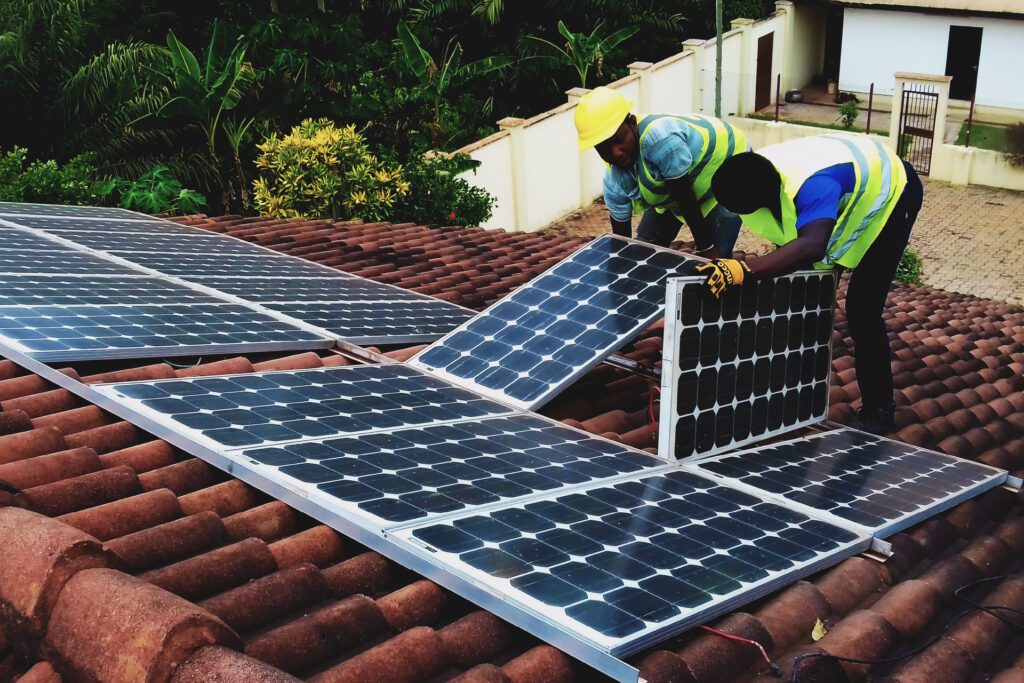
In December 2018, the Don Bosco installation team completed a 1440 Wp solar power system at the Bishop House in Sunyani, Ghana. This project was designed to address the Bishop House’s energy needs by providing a sustainable, cost-effective, and reliable power solution. The system integrates advanced energy components to ensure efficient power generation, storage, and distribution, aligning with the house’s operational requirements and the diocese’s commitment to environmental stewardship.
Project Overview
The Bishop House, as the administrative hub of the Catholic Diocese in Sunyani, requires an uninterrupted power supply to support daily operations of the house.
Frequent power outages and high electricity costs presented a challenge that necessitated the adoption of renewable energy. The Don Bosco team designed and installed a 1440 Wp system tailored to meet these challenges.
Key Components
The system was built using components that ensure efficiency and durability, Solar PV Array (1440 Wp), The installation features high-quality photovoltaic (PV) panels with a total capacity of 1440 Wp. These panels, strategically installed on the Bishop House rooftop, are designed to maximize energy capture under Sunyani’s solar-rich conditions. Inverter Charger (Victron Multiplus 48V/3000VA), The Victron Multiplus serves as the system’s core, combining the functionalities of an inverter and a charger. It efficiently converts DC electricity generated by the solar panels into AC power for use in the house. The charger function ensures that battery storage is consistently replenished during peak sunlight hours. Battery Bank (16 x 12V/100Ah), A robust battery storage system consisting of 16 batteries (12V/100Ah each) was installed to store surplus solar energy. These batteries, configured in a 48V system, provide backup power during nighttime and periods of low sunlight.
Tatale Outstation PV Installation
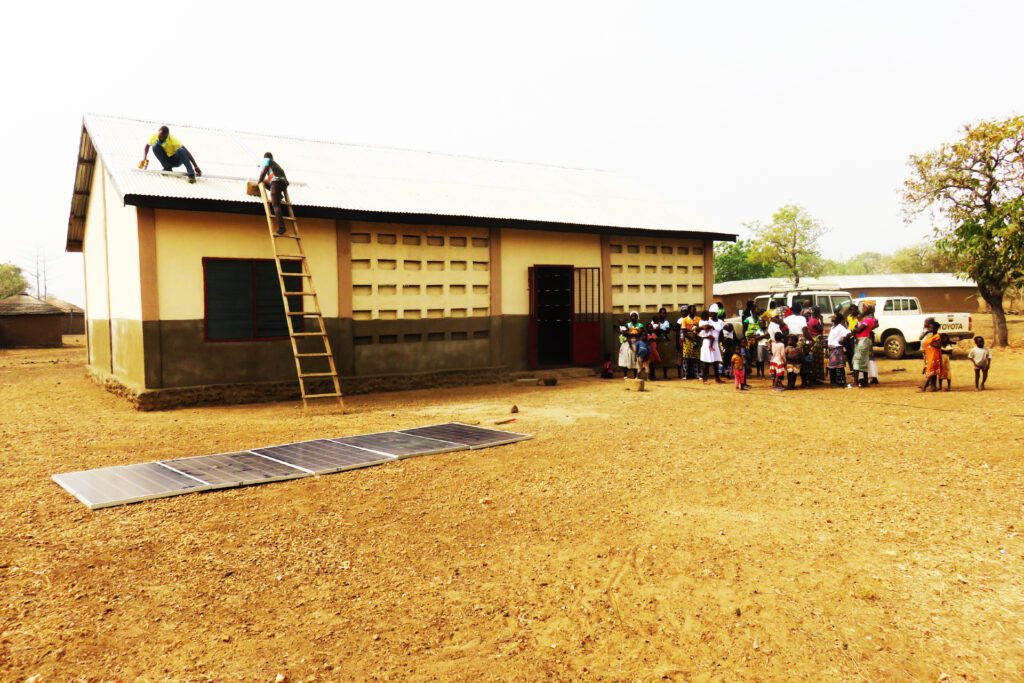
The Don Bosco installation team successfully designed and installed photovoltaic (PV) systems for ten Salesian outstations in the Tatale area. This ambitious project, aimed at providing sustainable energy solutions, has significantly improved the quality of life for these rural communities. The PV systems not only support church services but also enable mobile phone charging for community members, addressing critical energy needs in areas with limited or no access to the national grid.
Project Overview
The Salesian outstations serve as important spiritual and social centers for their respective communities. However, the lack of reliable energy had been a significant challenge, particularly for evening services and community activities. The Don Bosco team implemented PV systems, each with a capacity of 1040 Wp, to generate clean and dependable electricity.
The systems were designed to provide energy for lighting, sound systems for church services, and mobile phone charging stations, which are vital for communication and access to information in these remote areas.
System Design
Each outstation was equipped with a PV system tailored to meet its specific energy requirements. The key components included, Solar Modules (1040 Wp per System). High-efficiency solar panels were installed at each outstation to harness solar energy. The panels were mounted on rooftops or ground-mounted structures, optimized for maximum sunlight capture. Victron MPPT Charge Controllers: Advanced Victron MPPT charge controllers were used to regulate the energy flow from the solar panels to the batteries. These controllers maximize energy harvest by tracking the optimal power point of the solar array, even under varying sunlight conditions. Inverters: The systems included inverters to convert the DC electricity generated by the solar panels into AC electricity for powering lights, sound systems, and other devices. The inverters were selected for their reliability and efficiency, ensuring consistent energy supply. Battery Storage: Energy storage was a critical component of the design, allowing the systems to store excess solar power for use during the night or cloudy periods. Durable and high-capacity batteries were used to ensure long-term performance and reliability.
Solar Installation at Salesian Community, Tatale
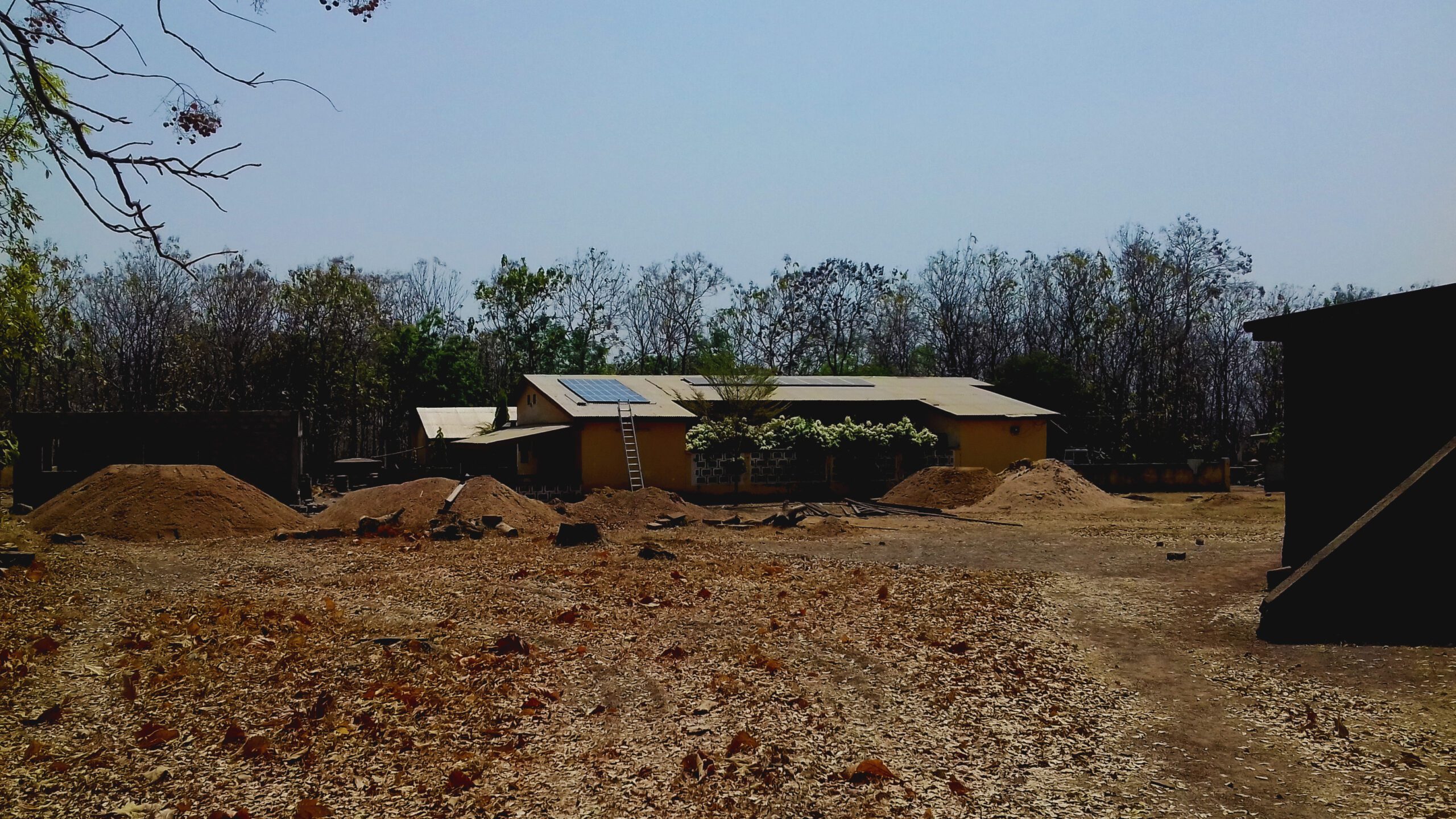
In October 2020, the Don Bosco installation team successfully completed an 11.3 kWp solar power system for the Tatale Training Centre, located in the Northern Region of Ghana. This project was designed to provide a stable and reliable source of energy for the training center, which plays a crucial role in providing vocational education and community services.
Project Overview
The Tatale Training Centre is a vocational training center, hosting a range of workshops and educational programs for youth. The center’s reliance on the national grid often resulted in power disruptions, impacting its activities and operations. To solve these challenges, the Don Bosco team implemented an 11.3 kWp solar power system featuring advanced energy components for efficient energy generation, storage, and distribution.
Components of the System
The solar installation utilized high-quality components to ensure reliability, efficiency, and durability. Solar PV Array (11.3 kWp), A total of 11.3 kWp of solar photovoltaic (PV) panels was installed to generate clean energy. The panels were mounted on rooftops, strategically oriented to maximize sunlight capture, even in the varying weather conditions of Northern Ghana. Charge Controllers, 1 x Blue Solar MPPT 150V/35A, this charge controller regulates the flow of electricity from the solar panels to the batteries, ensuring optimal charging and protecting the batteries from overcharging. 2 x Smart Solar MPPT 250V/85A, these advanced MPPT charge controllers enhance the efficiency of energy transfer from the PV array to the battery system by tracking the optimal power point, even under partial shading or low light conditions. Victron Quattro Inverter (48V/15 kVA), The Quattro inverter combines an inverter and charger in one unit, seamlessly managing the power flow between solar energy, battery storage, and the grid or generator. With its dual AC inputs, the Quattro ensures uninterrupted power supply by automatically switching to the backup source in the event of grid failure.
Solar Water Pump Installation at Salesian Community, Tatale
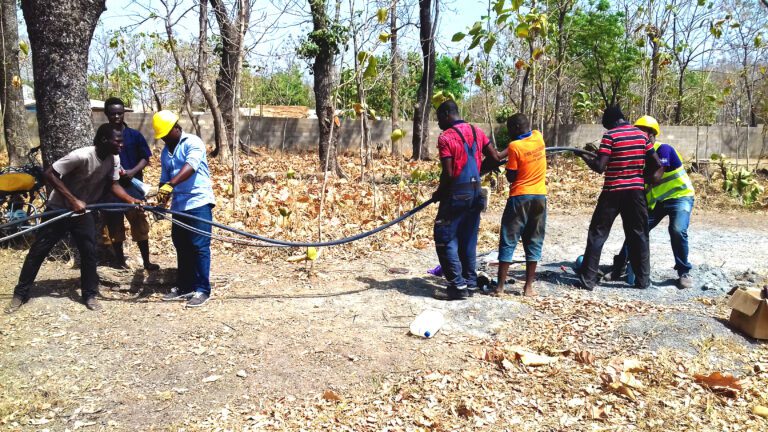
In January 2019, the Don Bosco installation team successfully completed the installation of a solar water pumping system at the Salesian of Don Bosco community in Tatale, Northern Ghana. This system was designed to provide a sustainable and reliable water supply for the community, addressing the challenges of water scarcity and unreliable grid power. The installation utilized advanced solar technology, ensuring efficiency and durability for years to come.
Project Overview
The Tatale Salesian community is situated in a region with limited access to consistent electricity and water resources. Prior to this installation, the community relied on manual or diesel-powered pumping systems, which were costly, inefficient, and environmentally unsustainable.
To address these challenges, the Don Bosco installation team designed and implemented a solar water pumping solution, utilizing a combination of solar modules, a Grundfos solar pump controller, and a high-efficiency solar water pump.
Key Components
The system comprised the following major components. Solar Modules (28 x 55 Wp), A total of 28 solar panels, each with a capacity of 55 Wp, were installed, generating sufficient power to drive the water pump. The panels were arranged in an optimized configuration to ensure maximum sunlight capture throughout the day. Grundfos Solar Pump Controller: The Grundfos solar pump controller serves as the central component, regulating the power supply to the water pump. This controller ensures efficient operation of the pump under varying sunlight conditions, optimizing energy usage and protecting the pump from potential damage. Solar Water Pump, A high-efficiency solar water pump was installed to draw water from the borehole and deliver it to the storage tanks and distribution points. The pump is powered directly by solar energy, eliminating the need for external power sources or fuel. Solartronic SA 1500: The Solartronic SA 1500 system was included to provide additional control and reliability for the solar array, ensuring seamless operation of the entire setup.